
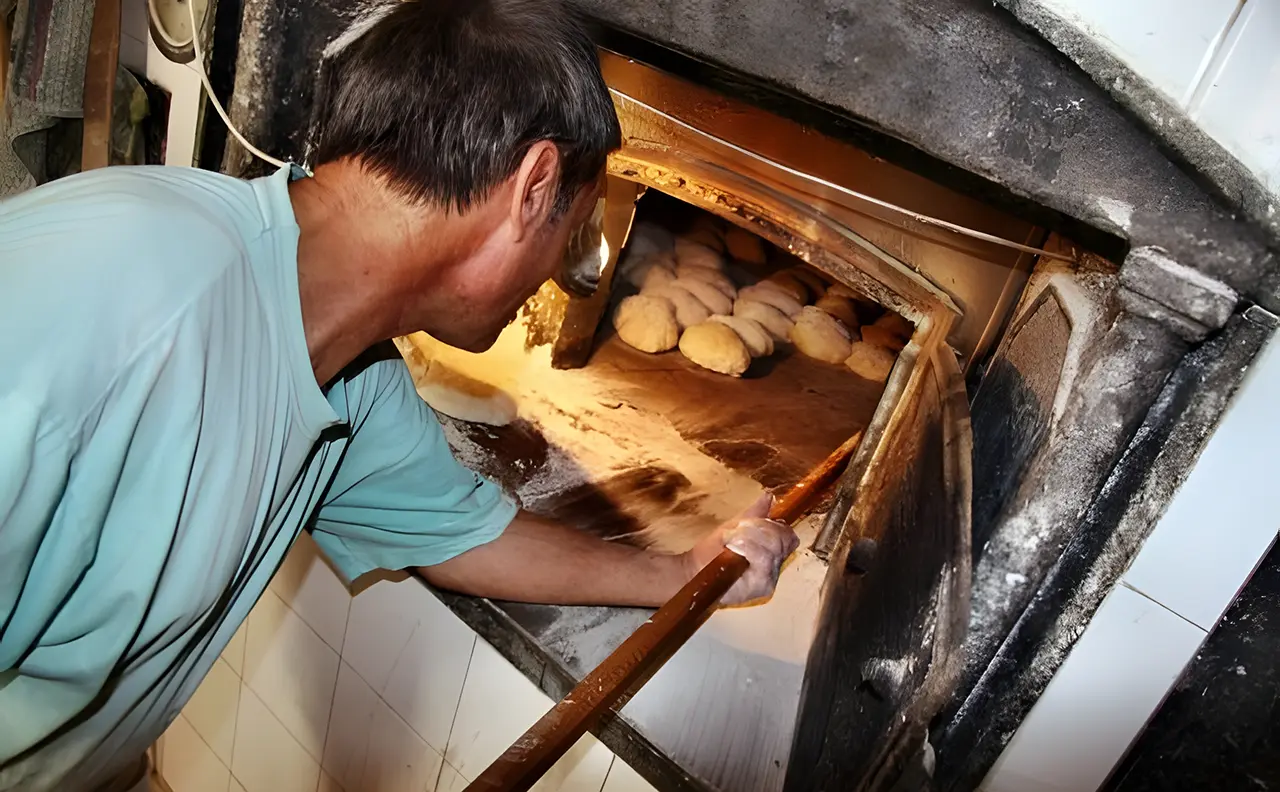
The Last Roast in the Village Oven?
Long before every home had an electric oven and a timer that chirped, Sundays in Gozo had a rhythm of their own. It began with mass, continued with the smell of dough rising in the dark backroom of the village bakery—and ended, as it often did, with the family roast cooked not at home, but in the same oven that baked the community’s daily bread.
This wasn’t an official service. No signs, no bookings. Just a quiet agreement between the baker and the families in the village. After the last loaves came out of the forn—its heat now too low for bread but still perfect for a slow roast—neighbours would begin arriving with metal trays, wrapped in cloth, lids rattling. Potatoes, onions, tomatoes. Sometimes a whole chicken. Sometimes just baked rice. Sometimes a dish of beans with garlic and oil.
The baker would open the door, take the tray, nod, and slide it into the oven’s glowing mouth. It was left there for hours. No timer. No temperature setting. Just instinct—and the knowledge that this was how Sundays worked.
A Communal Fire
This quiet tradition turned the bakery into more than just a place for bread. It became a shared hearth. It made the oven a centrepiece not just of baking, but of belonging. Your Sunday roast wasn’t just your own—it sat beside your neighbour’s. And that made something ordinary feel almost sacred.
For families without ovens at home—or those who simply trusted the baker’s fire more than their own—this was a practical solution. But it was more than that. It was an act of quiet generosity, built on trust and timing and the understanding that food was something to be shared, not just consumed.
Where Has It Gone?
Ask around today, and most younger Gozitans have never heard of this. A few will remember their nanna talking about it. Fewer still have tasted a roast cooked in a bread oven. The tradition has faded—not abruptly, but with time. As ovens became standard in kitchens, and Sunday routines shifted from village to shopping mall, the communal roast slowly disappeared.
It wasn’t outlawed. It wasn’t regulated. It was just forgotten.
What We Lost
In purely culinary terms, we lost something remarkable. Bread ovens retain heat in a way that modern home ovens simply can’t replicate. The roasts that came out of them were slow-cooked, rich with flavour, infused with wood smoke and residual warmth. The crusts were crisp, the insides tender. They tasted like patience.
But more than the flavour, we lost the ritual. The walk to the bakery with your tray wrapped in towels. The anticipation. The collecting of your dish hours later, still steaming, its lid marked with a scratched-in “X” or your initials in chalk. The smell of twenty different meals slowly mingling in one oven, each with its own story.
Is It Gone for Good?
Not entirely. In a few corners of Gozo, especially in older neighbourhoods or among tight-knit communities, the tradition still flickers. Some bakeries still allow neighbours to bring trays. Others have stopped—whether for insurance reasons, time constraints, or the fading of shared memory.
But the ovens still exist. The knowledge still lingers. And perhaps, in a time when people are yearning for connection and slower ways of living, the idea might yet return—not as nostalgia, but as practice.
If You Remember This…
Tell someone. Ask your nanna. Ask your local baker. Because traditions don’t disappear overnight—they simply fade, unless someone keeps the fire going.